
What’s in This Guide
- Refinishing Works Best for Surface Wear and Cosmetic Damage
- When Hardwood Floor Repair Is the Better Middle Ground
- How to Decide Whether to Refinish, Repair, or Replace
- When Replacement Becomes More Practical
- Is It Cheaper to Refinish Hardwood Floors or Replace Them?
- Frequently Asked Questions
- Plan Your Hardwood Floor Project in Brewster, NY
Hardwood floors can look worn long before they are worn out. Scratches, dull finish, pet marks, dark stains, and damaged boards may make replacement seem necessary, but many floors can be restored with refinishing or targeted hardwood floor repair. Inspect damage before choosing a scope.
For homeowners deciding whether to refinish or replace hardwood floors, the key is separating cosmetic wear from structural damage. Refinishing renews the surface. Repair addresses isolated boards or problem areas. Replacement becomes more practical when damage affects the floor system or the flooring no longer has enough material to sand safely.
Quick Facts
- Surface scratches, dull finish, and exposed bare wood can often be corrected by sanding and refinishing.
- Localized damage may call for hardwood floor repair before refinishing the room.
- Water damage requires investigation because cupping, buckling, or staining may indicate moisture below the surface.
- Solid hardwood can generally be refinished more times than engineered wood, which has a thinner wear layer.
- Replacement makes more sense when boards or the subfloor are compromised, or the floor cannot be sanded safely again.
Refinishing Works Best for Surface Wear and Cosmetic Damage
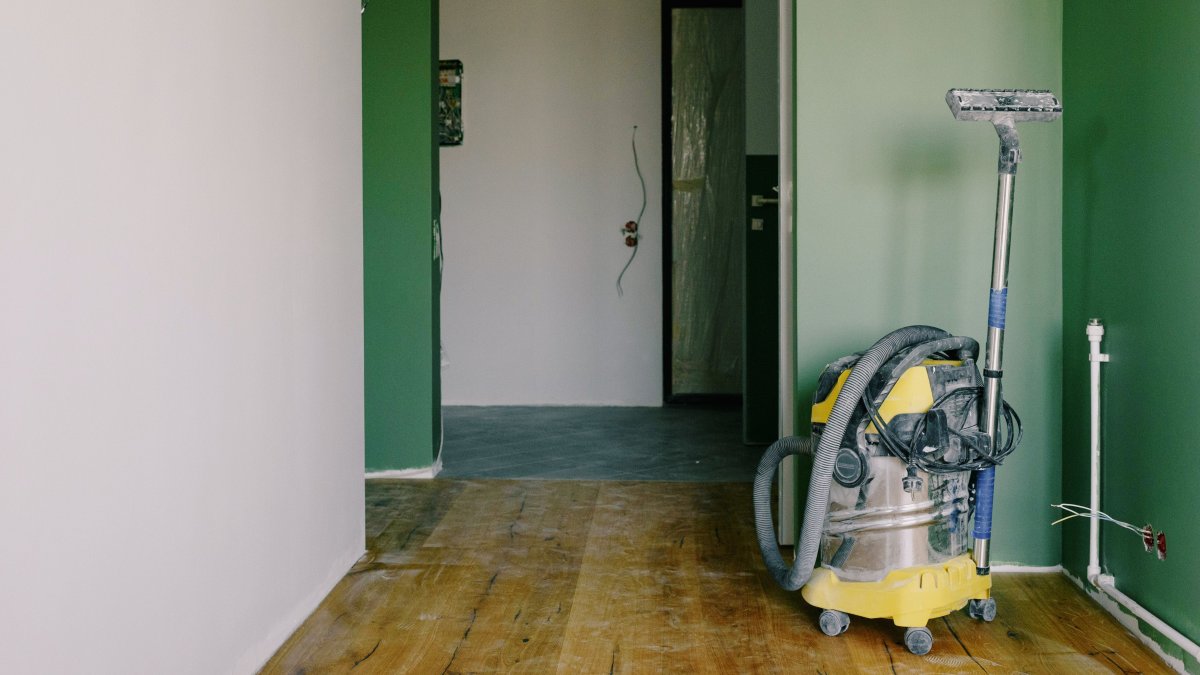
Refinishing removes the existing finish and a thin layer of wood, then allows the floor to be stained and protected again. According to the National Wood Flooring Association, a complete sand and refinish is appropriate when floors have deep scratches, dents, other surface damage, or finish wear that exposes bare wood.
That makes refinishing a strong option when boards remain stable and the damage is mainly visual.
Deep stains need closer evaluation. Urine stains and water marks can penetrate the board, so replacing affected boards may be better when safe sanding cannot remove them.
When Hardwood Floor Repair Is the Better Middle Ground
Not every problem requires refinishing the entire floor or replacing every board. Targeted repair can address isolated damage while preserving most of the existing hardwood in place.
Repair may be appropriate for cracked, split, loose, gouged, or heavily stained boards. Pet damage also varies. Surface scratches may disappear during refinishing, but repeated accidents can cause deep staining or odor inside the wood. In those cases, selected boards may need replacement before the surrounding floor is sanded and finished.
Where damage occurs near plumbing or other moisture-prone areas, correct the source first so repaired flooring does not deteriorate again. Routine moisture control and proper cleaning also matter in nearby spaces, particularly when determining how to clean bathroom floors without allowing excess water or cleaning products to damage the flooring.
How to Decide Whether to Refinish, Repair, or Replace
- Check whether the damage is only on the surface. Dullness, finish wear, scratches, and moderate dents often support refinishing if the boards are sound.
- Look for isolated problem boards. If most of the floor is stable but a few boards are cracked, deeply stained, or damaged by pets, targeted repair may be enough.
- Investigate moisture symptoms. Excess moisture can cause hardwood flooring to swell, cup, or buckle over time. Before sanding, check for possible leaks, damp subfloors, or other moisture-related issues that may need attention. Similar problems can affect flooring in bathrooms, where professional bathroom floor repair in Brewster, NY may be needed to address damaged materials, unstable surfaces, or underlying moisture concerns.
- Determine how much wood remains. The number of times a hardwood floor can be refinished depends on its thickness, construction, and overall condition. Solid hardwood generally allows for more refinishing than engineered wood, which may have a thinner surface layer.
- Inspect the subfloor and overall stability. Soft areas, movement, widespread buckling, or deterioration below the hardwood can change the scope from a surface project to structural repair or replacement.
When Replacement Becomes More Practical
Replacement is usually the stronger option when damage is widespread, structural, or impossible to correct without compromising the remaining flooring.
Examples include extensive rot, severe warping, repeated moisture damage, large sections of broken boards, or a failing subfloor. In moisture-prone rooms where hardwood may not be the most practical choice, homeowners can also consider alternatives such as non-slip bathroom floor tiles in Brewster, NY, that provide additional traction and are designed for wet environments.
Flooding deserves caution. The EPA advises drying flooring completely after flood damage and checking moisture before refinishing. It also warns that mold can grow on wet wood.
Replacement may also be necessary when a floor has already been sanded several times. Sanding removes material. If the wear layer is too thin, another aggressive sanding can expose fasteners, weaken board profiles, or damage engineered flooring.
Is It Cheaper to Refinish Hardwood Floors or Replace Them?
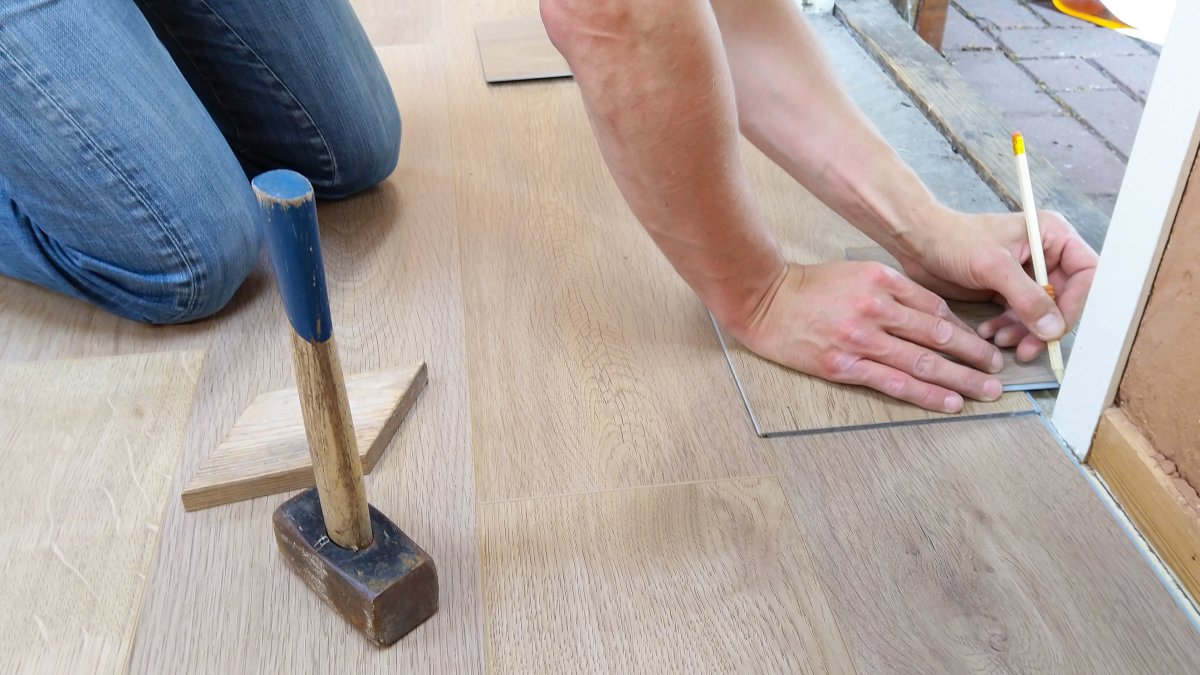
In many situations, refinishing uses more of the existing floor and avoids the material and removal work involved in full replacement. Understanding how much hardwood floor refinishing costs in Brewster, NY can help homeowners compare restoration expenses with the cost of installing new flooring. However, the cheapest immediate option is not always the best value. Refinishing a floor with severe water damage, unstable boards, or subfloor problems can lead to more repair costs later.
A professional evaluation can confirm remaining wood thickness, stain depth, subfloor condition, and which areas can be saved.
Frequently Asked Questions
Can hardwood floor color be changed during refinishing?
Often, yes. Sanding can prepare suitable hardwood for a different stain color, although the wood species, existing finish, and floor condition can affect the result.
Can one room be refinished without refinishing the entire house?
In many cases, yes. However, matching the color and sheen of newly refinished flooring with adjoining areas may require additional planning.
Do gaps between hardwood floorboards mean the floor needs replacement?
Not necessarily. Gaps can develop for different reasons, including normal wood movement. Persistent or unusually wide gaps should be evaluated before deciding on repair or replacement.
Can squeaky hardwood floors be repaired without replacing them?
Sometimes. A flooring professional can determine whether the movement comes from individual boards, fastening, or the subfloor before recommending the appropriate repair.
What should Brewster, NY, homeowners prepare before a hardwood floor evaluation?
Note areas with stains, gaps, movement, or previous moisture problems, and share any known refinishing history. This information can help the contractor assess which parts of the floor may be suitable for refinishing, repair, or replacement.
Plan Your Hardwood Floor Project in Brewster, NY
If you are deciding whether to refinish, repair, or replace hardwood floors in Brewster, NY, start with the condition of the wood, not its appearance alone. For homeowners planning flooring improvements beyond hardwood, luxury vinyl tile for bathrooms in Brewster, NY may also be worth considering for areas exposed to frequent moisture.
Brewster Flooring Company can inspect worn or damaged hardwood, explain practical restoration options, and help determine whether refinishing, targeted repair, or replacement fits the floor’s condition.
Related Posts